The Passive House Network 2023 Design Awards
The competition will recognize climate-specific innovation in project design and detailing to address the particular needs of site, local climate and bioregion.
The 1st Annual Design Awards Winners
Unbuilt Award:
Buffalo Crossing by Stantec
Warm to Hot:
No Winner Selected
Temperate to Cool:
Flow Chelsea by ZH Architects
Cold to Artic:
The Bridge by OPAL Architecture
Hotel Marcel by Becker + Becker Associates, Inc.
Details Award:
Englewood PH Duplex by SHAPE Architecture Studio
Introduction
From its inception in the 1980’s the Passive House standard has been influenced by building sciences and climate vernaculars developed throughout the centuries and from around the globe. Drawing from the many lessons of regional building design the Passive House Institute has provided a robust climate adaptive and versatile building process. Based on the meticulous calculations of the site and local climate, the standard promises a universal level of low environmental impact, occupant well being, and resiliency. These responsive buildings are uniquely prepared for a rapidly changing world, anywhere in the world.
Categories
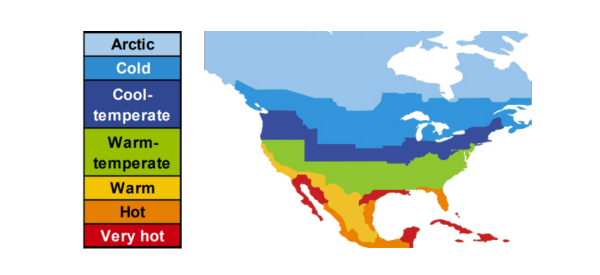
Entries shall be clustered and compared using the 7 PHI climate zones identified here. This means that size and building type does not matter, but location and climate region does. Projects will be assessed based on how they respond to local climate conditions or have used the flexibility of the Passive House standard to creatively deliver a climate-specific response. Entries shall be additionally judged using these sub-categories:
- Completed New Passive House Buildings
- Completed EnerPHit retrofits.
- Unbuilt or incomplete new build or EnerPHit
- Passive House Assembly or Installation Detail (must be part of a submitted project.)
The Complete Shortlist
Unbuilt Award:
Buffalo Crossing by Stantec
Vienna House by PUBLIC Architecture + Communication
Warm to Hot:
Passive House LA by PARAVANT Architects
West Palm Beach Net Zero by pH design
Temperate to Cool:
Flow Chelsea by ZH Architects
UBCO Skeena by WMW PUBLIC: ARCHITECTURE + COMMUNICATION INC.
Westchester Passive House by BarlisWedlick Architects
Cold to Artic:
The Bridge by OPAL Architecture
Hotel Marcel by Becker + Becker Associates, Inc.
Englewood PH Duplex by SHAPE Architecture Studio
Six & Kane by Moshier Studio
Millhaus by Greg Fisher, Architect
Details Award:
All short-listed
Schedule:
- Entries are due on MONDAY, SEPTEMBER 4th, Midnight Pacific Time.
- Winners shall be announced at the annual PHN Conference in Denver Colorado, on Wednesday, October 4th, 6PM Mountain Time.
Thank you Awards Sponsor:

Thank you also to MARTaK Passive House and Hotel Marcel for their prize contributions.
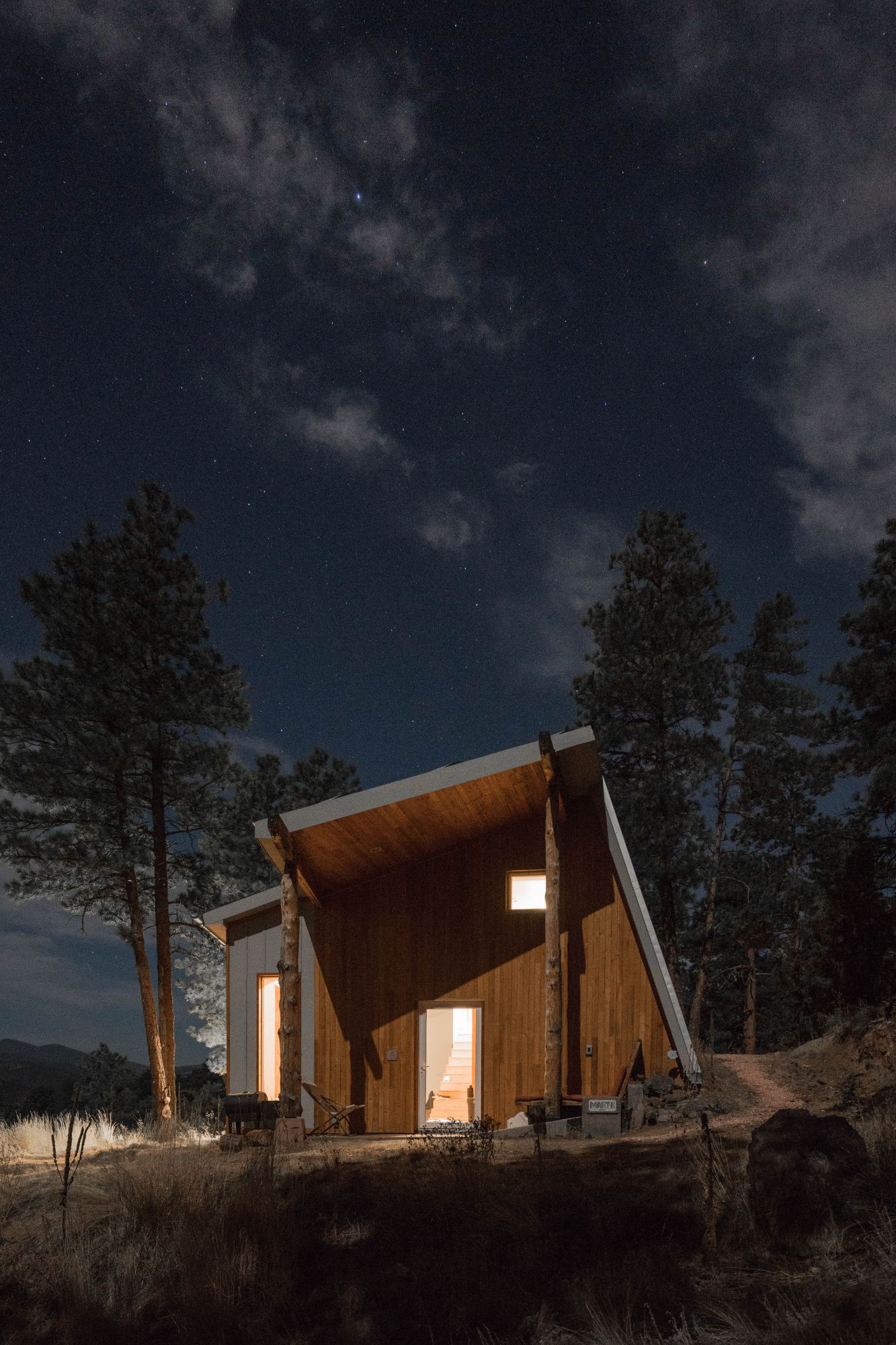
MARTak, Colorado
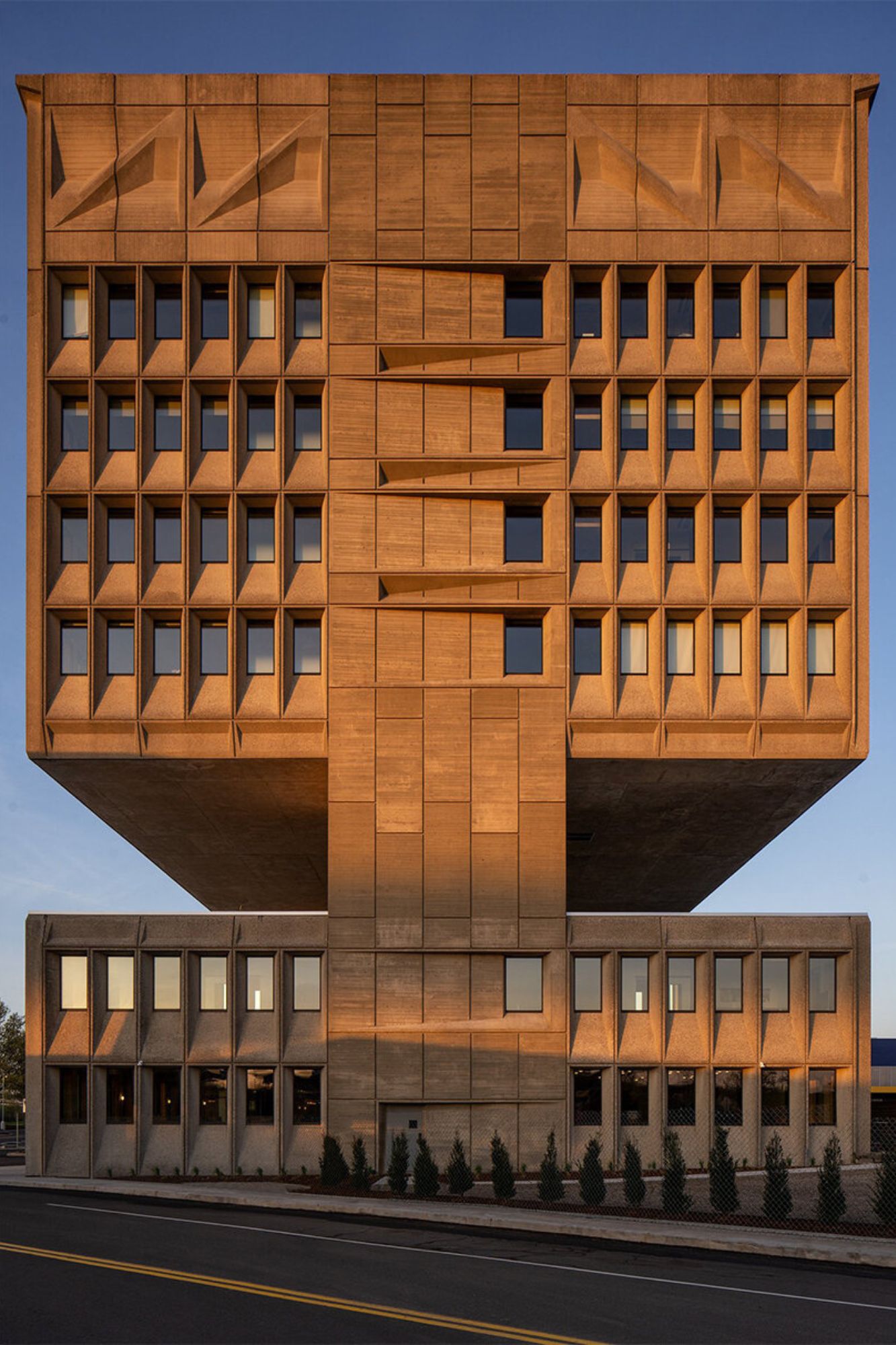
Hotel Marcel, Connecticut
Prizes
- Two nights stay in MARTaK Passive House, Colorado’s first Certified Passive House. A mountain getaway.
- Two nights stay in Hotel Marcel, CT. Passive House retrofit conversion of a classic Marcel Breuer building.
- Featured on PHN website.
- Limited Edition Passive House Buildings Book Collection.
- Publication in Passive House Accelerator Magazine.
Meet the Jurors
Lloyd Alter has been an architect, real estate developer, and writer. He teaches Sustainable Design at Toronto Metropolitan University. He has contributed to many publications, including The Guardian, Corporate Knights and Azure Magazines, and was a contributor and editor at Treehugger.com for 15 years. Lloyd is the author of Living the 1.5 Degree Lifestyle, from New Society Publishers. His new book, The Story of Upfront Carbon, will be published in 2024. He now substacks at Carbon Upfront! and contributes to Green Building Advisor.

Jessica Grove-Smith is senior scientist and joint managing director of the Passive House Institute in Darmstadt, Germany. A physicist by training, her areas of expertise include highly energy efficient building solutions to the Passive House Standard around the world, interrelations between efficiency and renewable energies and deep energy efficiency for public indoor swimming pools. Jessica frequently participates in conferences and conducts training internationally on technical and policy related topics with regard to high performance buildings.

Samantha Josaphat-Medina is an Architect and the founder of Studio 397 Architecture. Part of a mere 0.3% of Architects, she founded her firm and named it STUDIO 397 after her accomplishment of becoming the 397th African American female architect achieving licensure in all of USA history. Josaphat was a fellow for the Civita Institute Design Climate Action Fellowship and has won the Penn State College of Arts and Architecture Alumni award, the Anna Hernandez/Luna Textile Visionary Award, and received the Tribune Award from the Beverly Willis Architecture Foundation for her commitment to advancing women in the building profession. Samantha served as the President of The New York Chapter of The National Organization of Minority Architects (nycoba|NOMA) and a professor at The Bernard and Anne Spitzer School of Architecture, at City College in New York. Josaphat’s work has been featured in The Wall Street Journal, NBC, CBS, ABC, Hulu, Forbes, Architectural Digest, Dwell, and NOW THIS, and many more.


Marine Sanchez leads RDH’s Passive House services. She focuses on the design of large-scale institutional and mixed-use projects, channeling her passion and expertise to drive climate action within our industry. Her role includes developing PH designs on leading-edge typologies (such as commercial kitchens), guiding site teams new to PH towards successful delivery and supporting government in implementing carbon reduction policies.
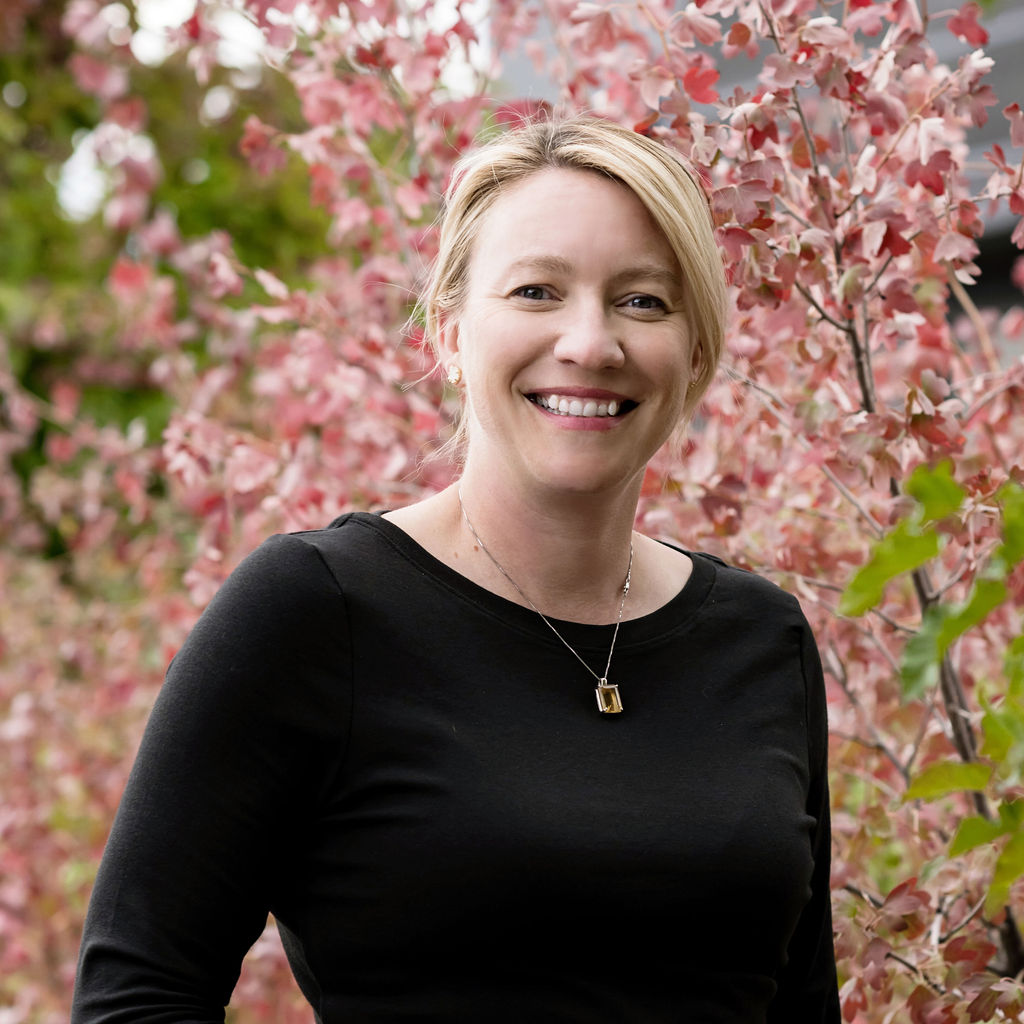
Lindsay Schack, AIA, is Co-Founder of Love|Schack Architecture, a regional design firm that specializes in low energy design using natural materials, and has sponsored Certified Passive House Tradesperson training in Montana and Wyoming. Lindsay is a Certified Passive House Consultant, and a LEED-Accredited Professional. Lindsay is the 2023 Chair of the AIA Knowledge Community for Small Project Design, and is the Architect of the first Passive House projects in Idaho, Montana and Wyoming. Lindsay has instructed at Montana State University’s School of Architecture in design studio and research seminars, and as a guest lecturer there and at the Universidad Latina in Costa Rica.
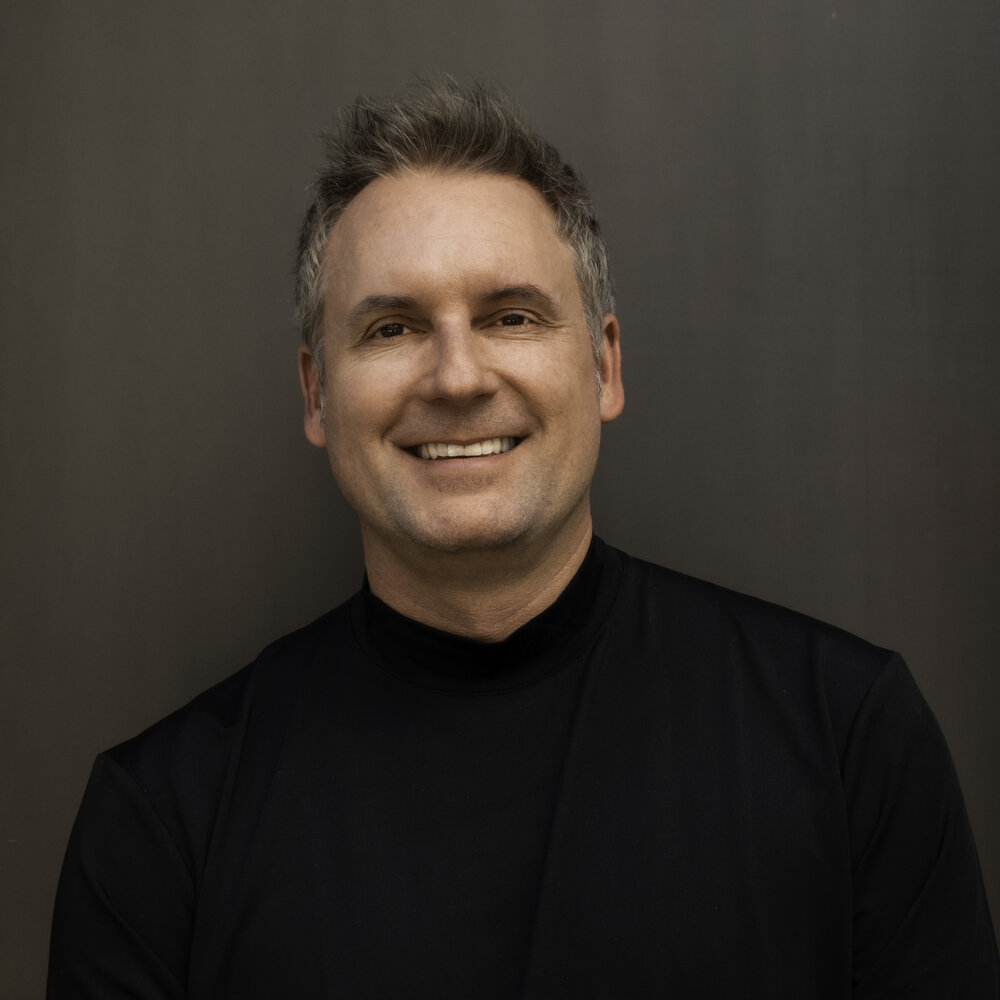
Brad Tomecek, AIA, The founder of Tomecek Studio Architecture, Brad graduated from the University of Florida with a Bachelor of Design and Masters of Architecture. He worked in smaller award winning firms in Colorado and Florida before launching the studio. His work has been recognized Architectural Record, Architect, Builder magazine, international books and local magazines. Brad is actively involved with the local AIA and is the AIA Denver President for 2017. His outreach takes the form of speaking nationally on methods and manifestations of meaningful projects. Currently, Brad combines practice with teaching design studios at the University of Colorado College of Architecture and Planning. His explorations blur the boundaries between poetic solutions and innovative building systems. He was recently awarded the AIA Colorado Architect of the Year Award and was elevated to the AIA National College of Fellows.